
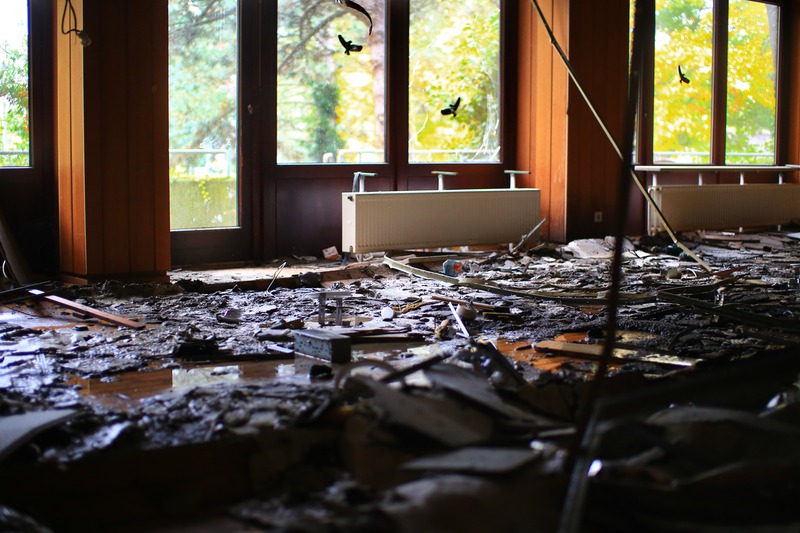
Water damage can be a significant concern for homeowners and property buyers. Whether the damage is minimal or extensive, water damage always raises questions about the property’s value. Buyers fear hidden damage, costly repairs, and future complications, and sellers worry about reduced market prices.
How Water Damage Affects Property Value Directly
Water damage directly reduces property value by causing structural harm and unattractive cosmetic problems. Visible water damage issues discourage potential buyers from pursuing a purchase. A property affected by water damage may eventually be valued significantly lower than similar unaffected properties.
Moreover, repairs and renovation after water damage often require considerable investment, influencing overall costs. Homes with a history of water problems can experience long-term reputation issues, making them harder to sell and lowering their value more. These factors combine to lower a property’s market value considerably after significant water-related incidents.
Structural Damage from Water Incidents
Structural safety and integrity are essential for property value. Water damage often weakens crucial areas such as walls, floors, and foundations. Home inspectors pay close attention to signs of water damage because it can indicate compromised safety standards.
Weak structures reduce buyer confidence, prompting them to either demand significant repair work or drastically reduce their offered buying price. Over time, untreated damage can lead to more extensive issues such as mold buildup and rot, causing permanent deterioration in the property’s marketability and worth.
Mold and Mildew Growth Consequences
Mold and mildew result directly from accumulated moisture and water damage. The growth of mold not only affects visual appeal but also presents health risks for residents. Families concerned about health issues will likely avoid buying properties prone to mold growth.
Removing mold properly is costly and requires professional intervention. Therefore, properties showcasing clear signs of mold will experience lowered market prices, discouraging potential buyers who wish to avoid additional repair expenses and health concerns.
Water Damage Related Cosmetic Issues
Cosmetic damages resulting from water issues include wall discoloration, distorted flooring, peeling paint, and swelling wood. Any sign of visible damage negatively impacts buyer perception, as it implies poor property maintenance or persistent problems.
Even minor cosmetic issues associated with water damage can significantly lower a property’s desirability. Repairs to cosmetic water damage may mean added expenses for repainting, refinishing, or materials replacement, further dropping property’s perceived and actual market value.
Insurance Costs and Complications
Properties with past water damage incidents may face increased home content and structure insurance premiums. Insurance companies consider previously damaged homes riskier, causing homeowners to pay higher premiums. Buyers realize this additional insurance cost, decreasing their inclination to bid competitively.
Complications in obtaining comprehensive home coverage might also discourage buyers from proceeding with the purchase. Higher insurance premiums and challenges in policy approval directly translate to lower offers from potential buyers and a notable reduction in overall property price.
Compromised Electrical and Plumbing Systems
Water intrusion can damage electrical wiring and plumbing connections, negatively influencing the property’s functionality. Faulty wiring poses electrical shock risks and increases the likelihood of fires. Buyers generally prefer to avoid the hassle associated with repairing or replacing such essential systems.
Similarly, plumbing issues stemming from leaks or water infiltration are an unwelcome expense for potential homebuyers. Concerns over compromised electrical and plumbing systems result in fewer buyer offers and lowered property valuation.
Decreased Market Appeal and Reduced Buyer Interest
Real estate market appeal depends on the security of investment. Properties featuring signs of water damage can seem like risky investments to potential buyers. Fewer interested parties naturally translate into weaker buyer competition and lower asking prices.
Properties with unresolved water-related issues remain on the market longer, creating a negative perception about the listing. Longer listing duration often motivates sellers to reduce prices further, amplifying the negative impact on market valuation.
Common Sources of Property Water Damage
Several common causes contribute to water damage within properties. Understanding these sources can assist homeowners in preventing such damages and protecting their property’s value. Frequent inspections and immediate remediation efforts help in managing risks effectively.
-
Roof leaks: Damaged or poorly maintained roofs frequently cause water infiltration, especially during harsh weather conditions.
-
Plumbing leaks: Broken or leaking pipes lead to internal water pooling hidden within walls, ceilings, or floors.
-
Natural disasters: Floods, heavy rainstorms, and hurricanes can overwhelm properties with excessive water quickly.
Timely intervention to deal directly with these common water damage sources safeguards properties against potentially massive repair costs and depreciation.
Top Electrical Failures that Contribute to Water Damage
An often-overlooked source of damage includes electrical failures caused by water ingressions. Electrical short circuits originating from exposure to moisture significantly amplify safety concerns, making such properties less desirable. To understand these issues better, familiarize yourself with the top 5 causes for electrical fires.
Proactively addressing electrical hazards ensures reduced property damage possibilities, ultimately maintaining a property’s overall market appeal. Effective maintenance minimizes risky electrical conditions that can later become costly problems to correct.
Actions Following a Water Damage Incident
Immediate action following a water-related incident reduces long-term damage and protects property’s stability and worth. Homeowners who act swiftly minimize expensive repair costs and preserve market interest in the property.
Seek professional assistance immediately after significant water infiltration to limit adverse outcomes. This swift approach helps mitigate the financial impact and ensures the home remains attractive for future potential buyers.
Professional Restoration Services for Water-damaged Homes
Restoration services play an essential function in returning affected properties to their former conditions. Experts like those found on sites similar to puroclean.ca offer specialized techniques to handle varying water damage types. Hiring professional services is the best solution for anyone seeking effective long-term solutions.
Skilled restoration experts identify hidden damages, eliminate potential mold concerns, and restore the property to ideal safety conditions. Investing in professional restoration means protecting the property’s overall value and maintaining desirability in the property market.
Relation of Fire and Water Damage in Properties
Fire incidents often unintentionally create large-scale water damages due to firefighting efforts. Firefighting professionals use vast amounts of water to put out fires, inadvertently causing collateral property damage. Hiring qualified restoration specialists becomes essential for properties affected by both events.
If dealing simultaneously with water and fire aftermath, consider contacting reputable entities such as those classified among reputable fire damage restoration companies to manage effectively. Avoiding further property deterioration after severe incidents maintains overall structural aesthetics and ensures property’s market price consistency.
Preventative Measures to Maintain Property Valuation
Protecting properties from potential water damage helps retain strong real estate valuation. Prevention measures can limit potential water issues significantly. Addressing small issues before becoming major reduces associated repair expenses, restoring affected homes to optimal valuation status promptly.
-
Regular inspections focusing on plumbing systems, roofs, and drainage.
-
Maintaining roofs, sealing gaps, and repairing minor leaks promptly.
-
Installing high-quality draining systems suited for local climate conditions.
Employing practical preventative measures safeguards against future potential water-related deterioration, resulting in stable market values acceptable to prospective buyers.
Final Thoughts
Taking decisive steps against water damage protects owners from added repair expenses and diminished property valuations. Whether managing such issues reactively or proactively, property owners benefit substantially by handling water damage concerns correctly. By remaining alert, proactive, and responsive, properties maintain their competitive allure in real estate markets.
